Email: sales@goldencarats.com
Gold Dust Ore – Gold-Bearing Material & Formation Explained
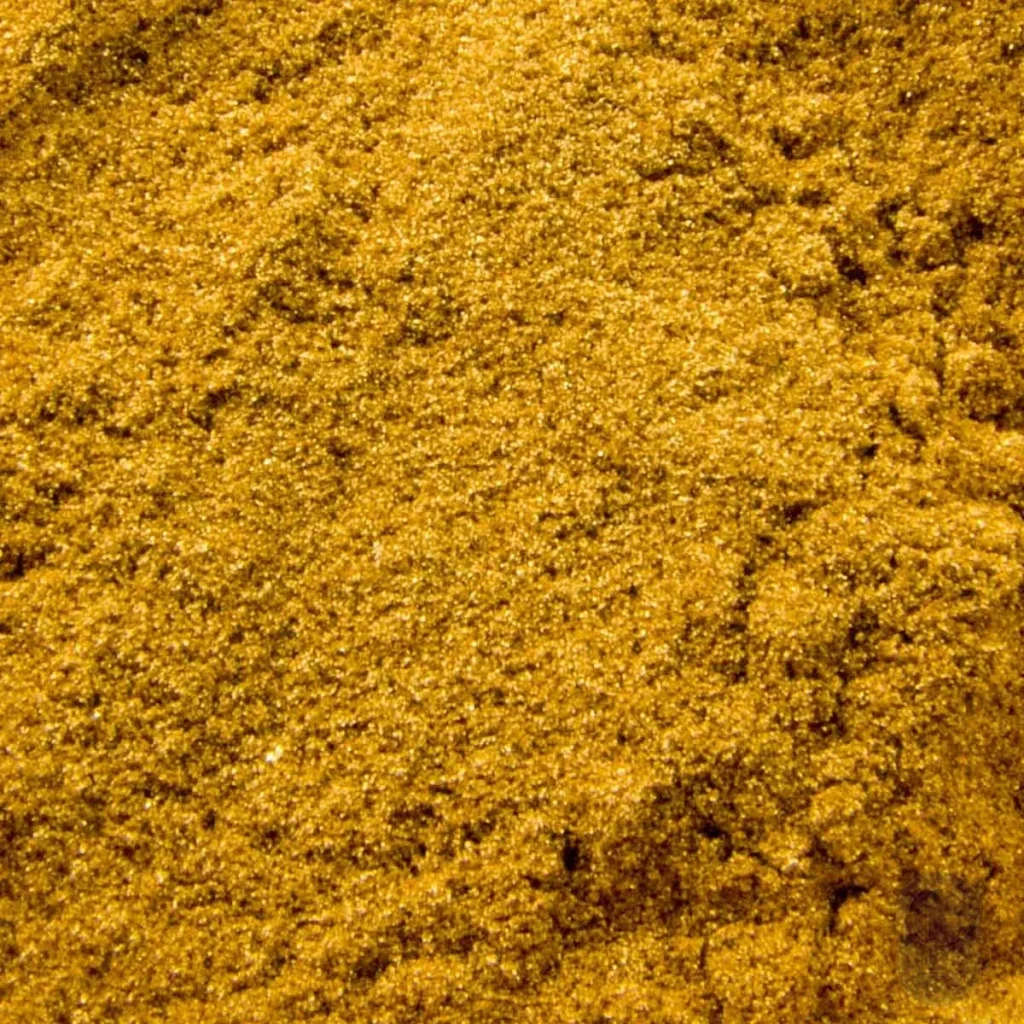
Gold dust ore refers to gold-bearing material that leads to the formation of fine gold particles. Over time, natural processes break down gold deposits and release small particles into the environment.
As a result, these particles become gold dust. Because of this process, gold dust often originates from ore sources found in the earth.
In this guide, you will learn how gold forms in ore, how it becomes gold dust, and how miners recover it.
What Is Gold Dust Ore?
Gold dust ore describes material that contains gold before it becomes fine particles. In most cases, gold exists within rock formations or mineral deposits.
Over time, natural forces act on these deposits. For example, weathering breaks down rock structures. Then, water and movement carry the smaller particles away.
As a result, gold separates from the original ore and forms gold dust.
How Gold Forms in Ore
Gold forms deep within the earth under high pressure and temperature. First, mineral-rich fluids deposit gold into rock formations. Then, these deposits remain trapped for long periods.
However, natural changes eventually affect these deposits. For example, tectonic activity and erosion expose the gold-bearing rock.
As a result, gold becomes accessible for mining and recovery.
How Gold Dust Develops from Ore
Gold dust develops when ore breaks down into smaller pieces. First, weathering weakens the rock. Then, erosion removes loose material and carries gold particles away.
As a result, the gold separates from the original rock. Over time, these particles accumulate in rivers and streams.
Because of this, gold dust is commonly found in placer deposits.
Gold Recovery from Ore
Miners use different methods to recover gold from ore and deposits. First, they extract the ore from the ground. Then, they process it to separate gold from other materials.
For example, common methods include:
- crushing and grinding
- panning and sluicing
- gravity separation
Because of these processes, miners can recover gold dust for refining and trade.
Gold Dust Ore vs Raw Gold Dust
Gold dust ore and raw gold dust are related, but they are not the same.
Gold dust ore refers to the source material. In contrast, raw gold dust refers to the separated particles.
Therefore:
- ore = source material
- dust = recovered gold
Why Gold Dust Ore Matters
Gold dust ore plays an important role in the gold supply chain. First, it explains how gold enters the market. Second, it helps buyers understand sourcing and recovery.
In addition, it connects mining activity with the global gold trade. Because of this, it is important for both industry professionals and buyers.
Where Gold Dust Ore Is Found
Gold dust ore is found in areas where gold deposits exist. For example, mining regions and geological formations often contain gold-bearing material.
Common locations include:
- gold mining regions
- mineral-rich rock formations
- river systems near deposits
- placer mining areas
Because these areas support gold formation, they often produce gold dust.
Frequently Asked Questions
Q: What is gold dust ore?
Gold dust ore refers to material that contains gold before it becomes fine particles.
Gold dust ore refers to material that contains gold before it becomes fine particles.
Q: How does gold dust form from ore?
Gold dust forms when erosion and weathering break down gold-bearing rock.
Gold dust forms when erosion and weathering break down gold-bearing rock.
Q: Where do miners find gold dust ore?
Miners find it in mining regions, rock formations, and river systems.
Miners find it in mining regions, rock formations, and river systems.
Q: Is gold dust ore valuable?
Yes, because it contains recoverable gold.
Yes, because it contains recoverable gold.
Q: What happens after gold is extracted from ore?
Refiners process it into usable gold products.
Refiners process it into usable gold products.
View our copper cathodes available for industrial supply.